
Washington, DC
SPRINGFIELD — At the exact anniversary of the Easter Rising, William Cahillane stood up and read the 100-year-old document that officially created the Provisional Government of the Irish Republic, declaring Ireland’s independence from Great Britain.
The event was one of several in Springfield that has been held to commemorate the anniversary of the 1916 Easter Rising in which a group of Irish rebels took over the General Post Office in Dublin, which eventually led to a free and independent state in Ireland.
“I spent a lot of time studying it and there is a lot of meaning in every sentence,” Cahillane said.
Cahillane, a graduate of Springfield Renaissance High School who will receive his degree in construction management from Springfield Technical Community College next month, said he spent a lot of time studying the uprising and the document after being asked to read it, and learned a lot about Irish history in the process.
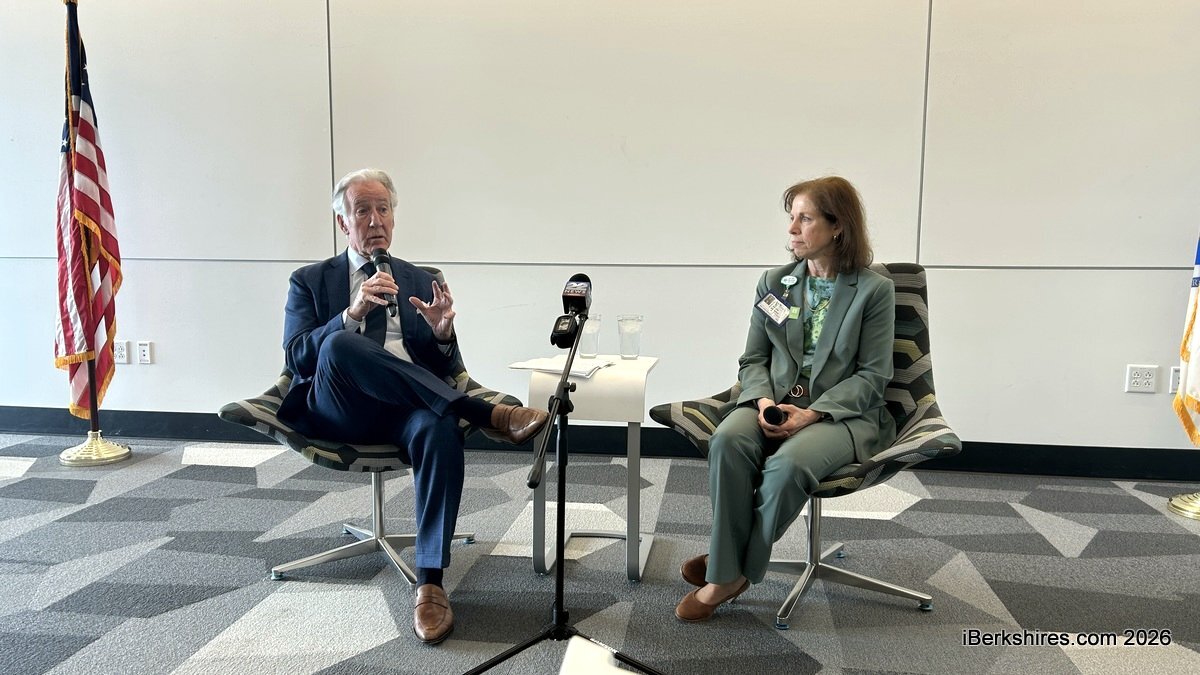
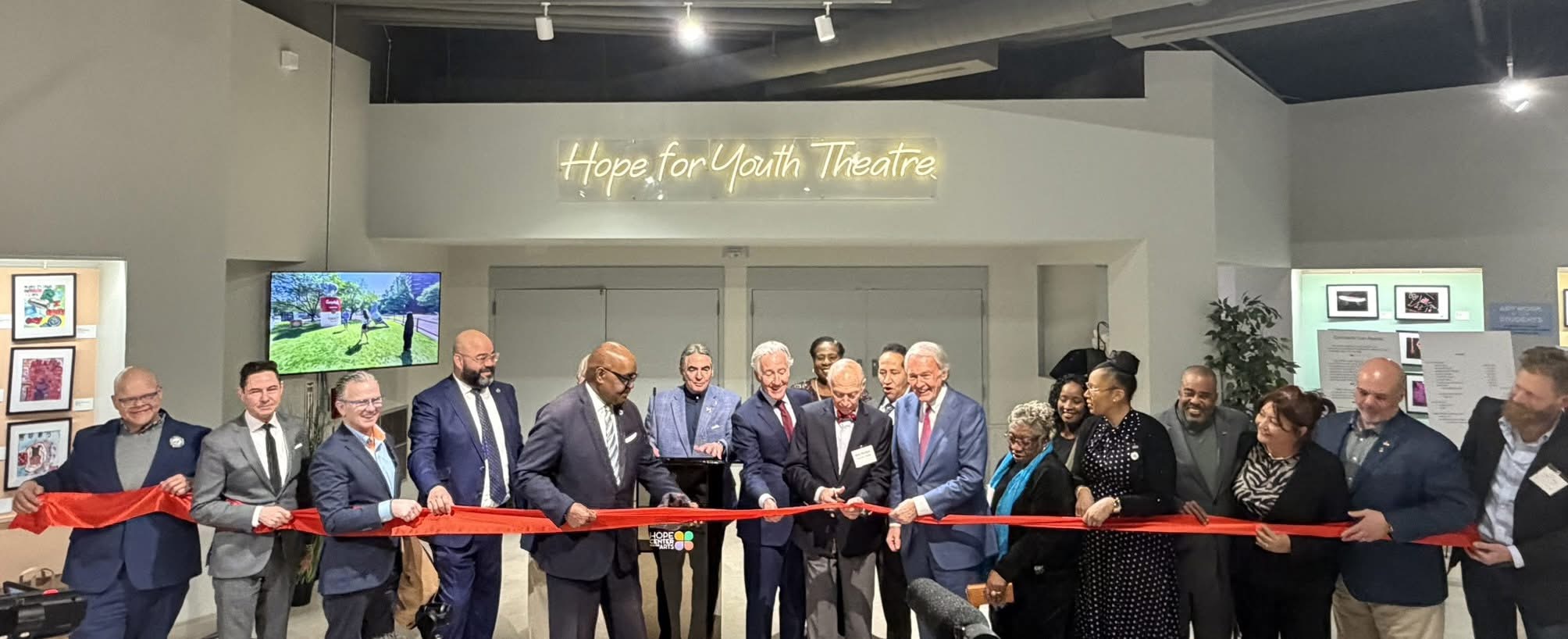
U.S. Rep. Richard E. Neal, who hosted and spoke at the event at the Lyman and Merrie Wood Museum of Springfield History Sunday, said the document is significant for several reasons. For one thing, it is the only declaration of independence, other than the one for the United States, which mentions America.
It is also a rare declaration which mentions women, he said.
The Easter Rising was significant to Springfield, partly because thousands of Irish had immigrated to the area. Some came because of the Irish famine and others were rebels who were avoiding political persecution. Rebels also raised a significant amount of money in Springfield and other places in the U.S. to fund the uprising.
In total, 16 people were executed after the Easter Rising. Because they were killed on May 3, just two weeks after the uprising, and with no trials, there was a lot of anger directed toward the government in Ireland and abroad.
“If you were here, you were in it with both feet and it was unlikely you would ever go back,” Neal said.
One of those people was Jack Fitzgerald, who settled in Springfield after being involved in the Easter Rising and then in the Irish civil war, said Joan Lundy, his daughter.
He was a member of the Kerry Brigade of the Irish Volunteers, which led to the formation of the Irish Republican Army. He eventually immigrated to Canada and then Western Massachusetts in 1923, she said.
“Life was very difficult for those who fought,” she said. “He could have been captured and thrown in jail, but he escaped.”
Her brother, Robert Emmet Fitzgerald, said as children they learned about the uprising, but his father did not talk much about his own experiences.
“He didn’t talk about it much. He was pretty closed mouth about it,” he said.
To view the original article, click here.